
Hear from Our Customers
You can’t fix what you can’t see. Mold hides behind walls, under carpets, in ceiling cavities, and inside HVAC systems. By the time you smell it or see visible growth, the problem is already established.
Professional mold testing uses air sampling and surface testing to detect mold before it becomes a health issue or an expensive remediation project. You get lab-confirmed results that tell you what type of mold is present, how much, and where it’s concentrated.
That information matters. Black mold requires different handling than common household molds. High spore counts in your air mean your family is breathing contaminated air every day. Testing gives you the data to make informed decisions about your next steps, whether that’s remediation, improved ventilation, or documentation for insurance claims.
Early detection saves money. Catching mold growth in its early stages means smaller affected areas, less structural damage, and lower remediation costs. Waiting turns a $500 problem into a $5,000 one.
We’ve been testing and remediating mold in Bucks County homes for years. We know the local conditions that create mold problems here: humid summers that push indoor humidity above 70%, older homes with unfinished basements, aging foundations that let groundwater seep through during heavy rain.
We’re not a national franchise following a script. We’re local mold check professionals who understand why Goldenridge homes develop mold issues and how to find them. Our technicians use EPA-approved testing methods and send samples to certified labs for analysis.
You get straightforward results and honest recommendations. If you don’t need remediation, we’ll tell you. If you do, we’ll explain exactly what’s required and why.
We start with a visual inspection of your property. That means checking common problem areas like basements, crawl spaces, bathrooms, and anywhere you’ve had water damage or notice musty odors. We’re looking for visible mold growth, water stains, condensation patterns, and conditions that support mold development.
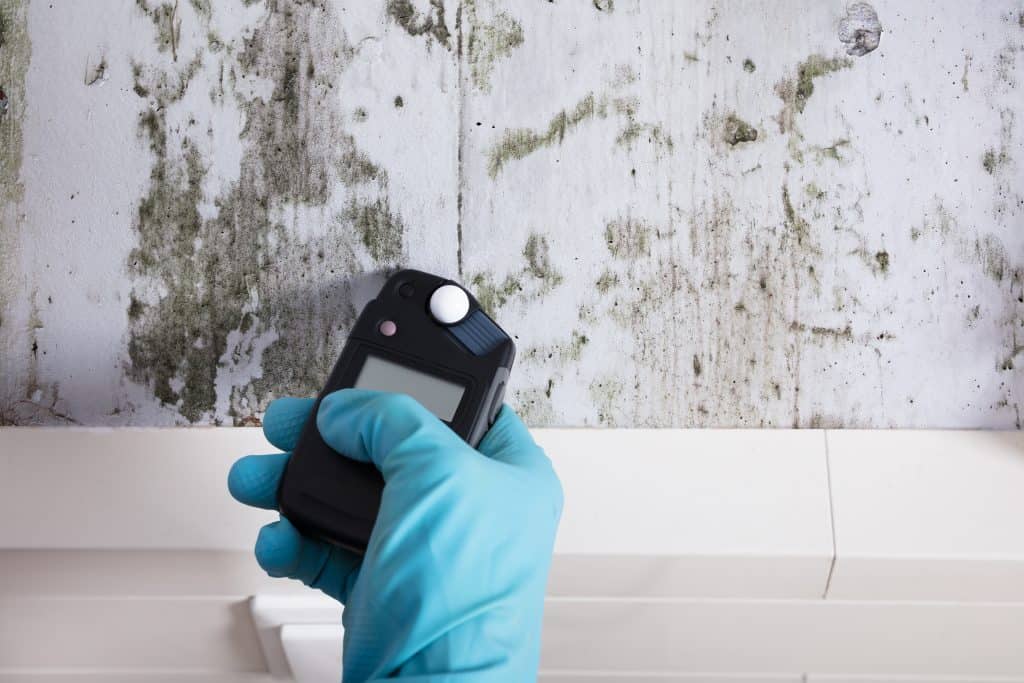
Next comes testing. We collect air samples from multiple rooms to measure airborne spore concentrations. We also take surface samples from suspected growth areas. These samples go to an independent lab for analysis. You’re not relying on our opinion, you’re getting scientific confirmation of what’s in your home.
The lab identifies mold species and quantifies spore counts. Within a few days, you receive a detailed report that breaks down exactly what was found and where. We review those results with you and explain what they mean for your specific situation.
If remediation is needed, we develop a plan based on the test results. If the issue is minor, we might recommend ventilation improvements or dehumidification. If it’s extensive, we’ll outline the full scope of work required to eliminate the contamination and prevent recurrence.
Ready to get started?
You get a complete assessment of your indoor air quality and potential mold contamination. That includes visual inspection of your entire property, air sampling from multiple locations, surface sampling from suspected growth areas, and lab analysis identifying mold types and concentrations.
Our testing is particularly important in Goldenridge because of local climate factors. Bucks County’s humid summers create ideal conditions for mold growth. Homes here often have basements with moisture issues from hydrostatic pressure during storms. Older properties have aging foundations where groundwater seeps through. These aren’t problems you can see without proper testing equipment.
We also provide documentation that insurance companies accept. If you’re filing a claim for water damage or mold remediation, you need professional testing results to support your case. We work with insurance carriers regularly and know what documentation they require.
For home buyers and sellers, our testing provides peace of mind. Discovering mold after closing costs thousands in unexpected repairs. Testing before purchase protects your investment. Testing before listing prevents deal-killing surprises during buyer inspections.
Mold testing typically costs between $200 and $800 depending on your home’s size and how many samples we collect. A small home with limited testing might be on the lower end. Larger properties requiring multiple air samples and surface tests cost more.
We offer free initial inspections. That means we’ll come to your property, assess the situation, and give you an honest evaluation at no cost. If testing is recommended, we’ll explain exactly what’s needed and provide upfront pricing before any work begins.
The cost of testing is minimal compared to the cost of ignoring a mold problem. Professional remediation averages $500 to $6,000 depending on the extent of contamination. Health issues from prolonged mold exposure cost far more. Testing gives you the information to address problems early when they’re still manageable.
A mold inspection is a visual assessment of your property. We examine areas where mold commonly grows, look for water damage, check humidity levels, and identify conditions that support mold development. You get a professional evaluation of potential problems.
Mold testing goes further. We collect air and surface samples and send them to a lab for analysis. Testing tells you exactly what type of mold is present, how concentrated it is, and whether spore levels in your air exceed safe thresholds. You get scientific data, not just observations.
Most situations benefit from both. The inspection identifies problem areas and guides where we should test. The testing confirms whether mold is present and provides the documentation needed for remediation planning or insurance claims. Together, they give you a complete picture of your indoor air quality and any contamination issues.
Lab results typically come back within three to five business days after we collect samples. The lab needs time to culture the samples and identify mold species present. We can’t rush that process without compromising accuracy.
Once we receive results, we contact you immediately to review findings. We’ll explain what types of mold were detected, what the spore counts mean, and whether remediation is necessary. You’ll receive a detailed written report that breaks down all the technical information in plain language.
If you’re dealing with an urgent situation like severe water damage or obvious black mold growth, we can begin remediation work before final lab results arrive. We follow EPA protocols for safe mold removal regardless of species, so we can start protecting your property while waiting for confirmation of exactly what we’re dealing with.
DIY mold test kits exist, but they have serious limitations. Most only tell you that mold is present, which isn’t particularly useful since mold exists in virtually every indoor environment. They don’t tell you what type of mold, how much, or whether levels are dangerous.
Professional testing uses calibrated equipment to measure airborne spore concentrations and compare them to outdoor baseline levels. We collect samples from multiple locations to identify where contamination is concentrated. Our samples go to certified labs that can identify specific mold species, including toxic varieties like Stachybotrys (black mold).
You also need expertise to interpret results. Knowing you have mold doesn’t tell you what to do about it. We assess the full picture: what’s growing, where it’s growing, why it’s growing, and what conditions are supporting it. That information guides effective remediation instead of just surface-level cleanup that doesn’t solve the underlying problem.
For insurance claims, property transactions, or health-related concerns, you need professional documentation. DIY tests won’t satisfy insurance requirements or hold up in legal situations.
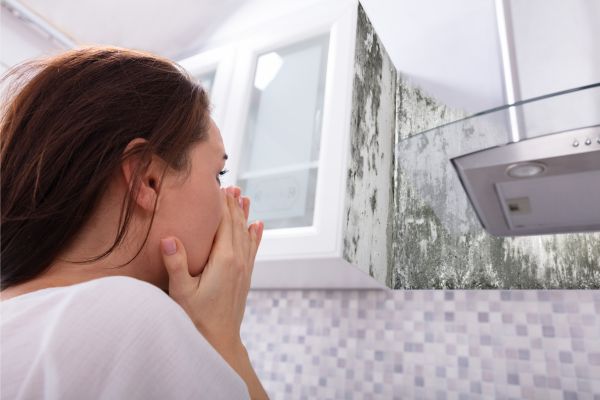
Musty odors are the most common indicator. If you smell a persistent earthy or damp smell, especially in basements, bathrooms, or after running your HVAC system, that’s mold. The smell comes from microbial volatile organic compounds that mold releases as it grows.
Visible growth is obvious, but remember that mold often hides. Water stains on ceilings or walls, peeling paint, warped flooring, or condensation on windows all suggest moisture problems that support mold development. If you’ve had any water damage from leaks, floods, or roof issues, testing is essential even if you don’t see growth.
Health symptoms matter too. Chronic sinus problems, respiratory issues, persistent coughing, or allergy symptoms that worsen at home can indicate mold exposure. About 93% of chronic sinus infections are attributed to mold, and over 60% of homes tested have at least one indoor mold problem.
Goldenridge’s humid climate means your home is at higher risk. Summer humidity regularly exceeds 70%, and older homes with basement moisture issues are extremely common in Bucks County. If you’re experiencing any of these signs, testing identifies whether mold is the cause and how extensive the problem is.
Mold testing is non-invasive and quick. The entire process typically takes one to two hours depending on your home’s size. We don’t tear into walls or damage your property during testing. Air sampling uses pumps that draw air through collection devices. Surface sampling uses swabs or tape lifts that don’t harm finishes.
You can remain in your home during testing. There are no chemicals involved and no safety concerns for family members or pets. We work efficiently and respect your space.
The only minor disruption is that we need access to all areas of your home, including basements, attics, crawl spaces, and any rooms where you’ve noticed issues. We might ask you to close windows and doors for a few hours before testing to get accurate air samples, but that’s the extent of preparation required.
After we collect samples, there’s no cleanup needed. We pack up our equipment and leave your home exactly as we found it. Then you just wait a few days for lab results while going about your normal routine.
Other Services we provide in Goldenridge